How many of us start daydreaming about our future outdoor space long before we even start to build it? We scroll the web looking at inspirational images of other people’s spaces. We see some cool water feature, someone’s beautifully cut lawn, or some beautiful pollinator garden and want it as well for our own space.
We get swept up in the trend, idea, or aesthetic of someone else’s space and base our design off of aesthetics that may or may not actually match our needs. And many end up regretting it down the road.
Maybe we regret having such a large grass lawn to cut every week, regret all of the fruit that falls from the fruit trees we planted, or regret planting so many perennials that need constant tending throughout the year. Many people come up with the design of their future landscape or outdoor space based on finding cool images online or being inspired by what a neighbor has in their backyard because they themselves don’t know what they want or how to figure that out.
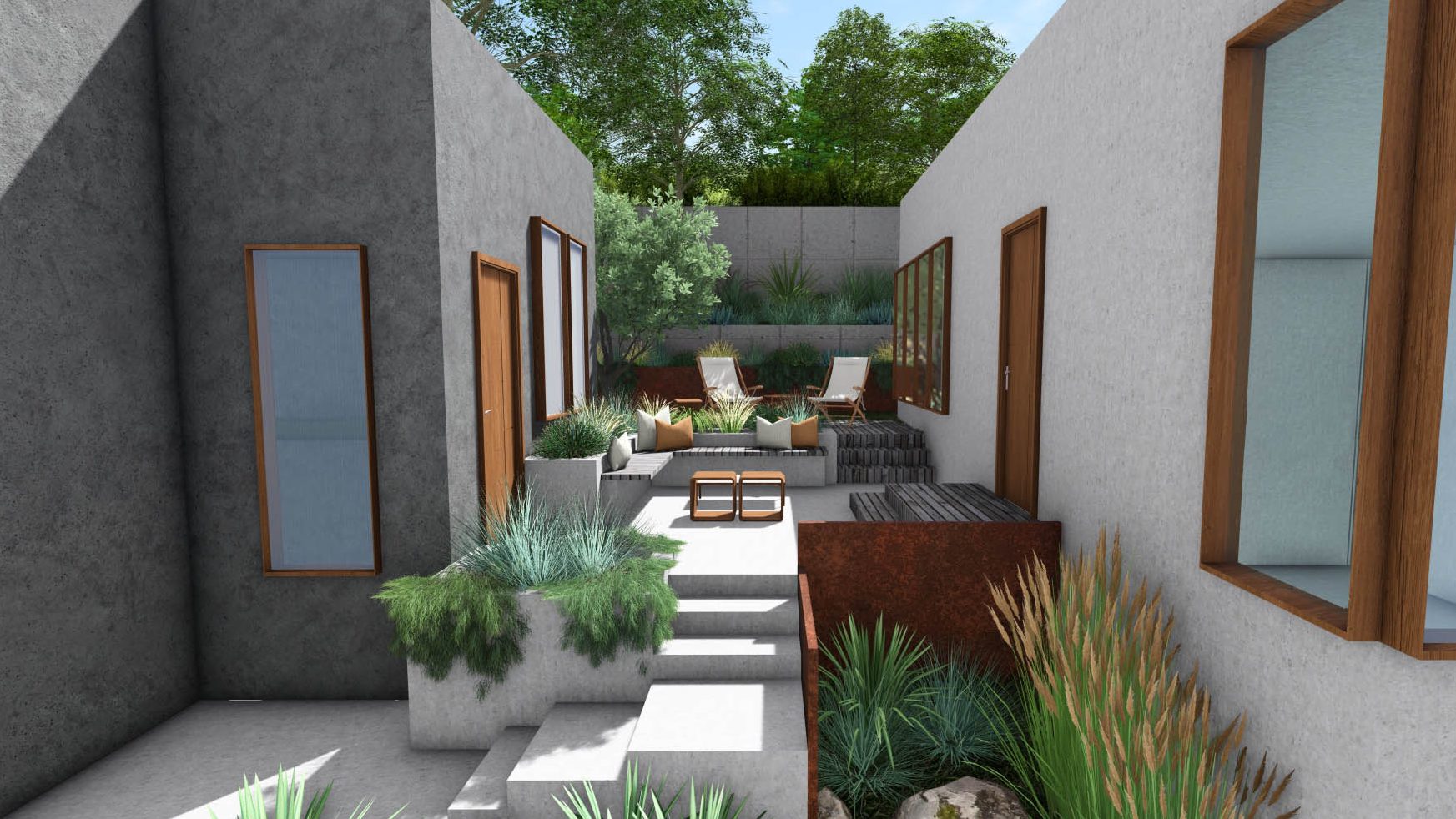
Rather than rushing into the design and regretting it later, why not take a few minutes beforehand to think through what design would truly be best for you?
As a professional landscape and architectural designer, when I start a new landscape project, I have learned how to get to know my clients by asking the right questions to see not just what style they are looking for, but how their needs, schedules, passions, and overall are going to affect their future space. I realized I could help save them a lot of time down the road by thinking through what the truly best design would be for them based on their specific lifestyle rather than just going with what they thought was cool and trendy on Pinterest.
To help you create an outdoor space that is truly a perfect fit for your life, I’ve created the following six reflection questions every person should ask themselves before the design process.
You can ask yourself these questions at anytime during the design process and make adjustments based on the answers, but the easiest time to do it is beforehand while your design is still mutable. Plus, these questions won’t just help narrow the direction of your outdoor space design, but they’ll also be a great way to get to know yourself better. Maybe you’ll even be inspired to make some lifestyle changes as well afterwards!
Here are the 6 essential questions to ask yourself before starting the design of your outdoor space:
1. What get’s you outside?
This will be the “theme” of your outdoor space, or the purpose behind all of the design choices. Take time to think about what has gotten you excited to put on your shoes and get out the door over the past few weeks. This shouldn’t directly relate to your outdoor space; it should be a reflection of what excites you about the outdoors in all areas of your life.
If nothing comes to mind, here are some sub-questions to get you thinking:
Good weather? Your theme is going to be to design for different weather scenarios. Consider a covered patio to protect from rain, a screened in porch to use during winter, or a simple pergola or sun shades to protect from the summer heat. These are all big investments and are most likely going to be the focal point of your landscape design that every other space is based off of.
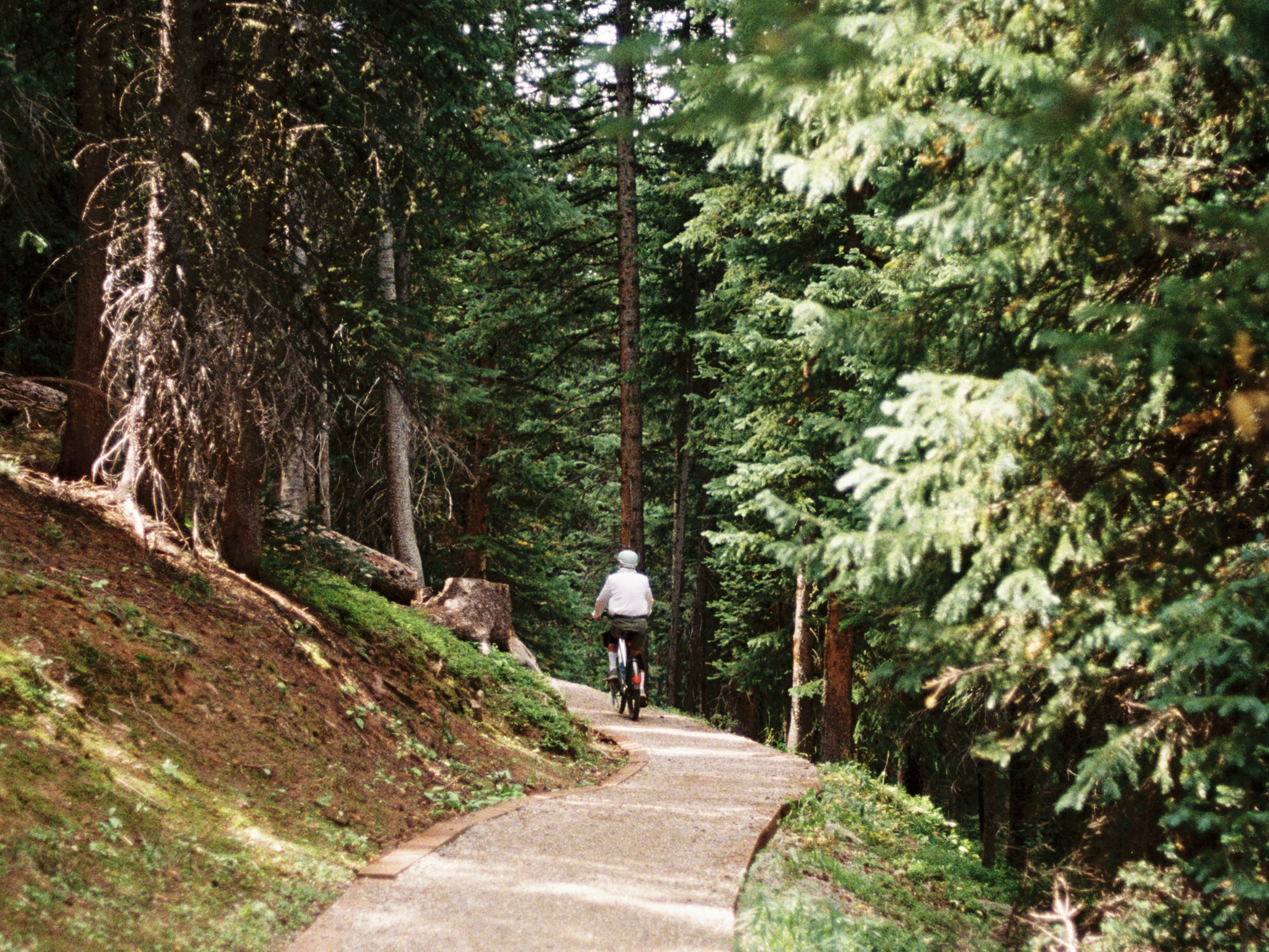
To hike and explore? If you don’t spend that much time at home and usually leave the house, maybe consider the amount of time you will have to tend to your landscaping at home. Your theme may very well be minimal landscape design! But I take it if you like to hike and explore nature, you may want to have a lot of it at home as well. Just consider your honest availability to commit to tending your outdoor plants and landscape.
To connect with others? Do you find that it’s easiest to meet with friends or connect with your family by doing things outdoors, such as going to the beach or going on bike rides? This means that your theme is socialization! Prioritize gathering spaces with tables, seating, and maybe even outdoor cooking elements.
To take a break from busy life and reset? After a long day at work, is your first anecdote going for a walk or run outside? Your theme is going to be tranquility. You’ll want to make your space as calm as possible, maybe include some water features, seating spaces, and privacy from neighbors.
To visit local parks? If so, you either like the communal aspects of parks or they are simply your closest nature outlet. If you go to parks simply because of the proximity, that will change once you put your time and effort in your own landscaped space! But if you like the social aspect of a park and being in proximity to others while still being solo or within your group, consider an outdoor space that is more open to your neighbors and street, such as a seating space where you can sit and watch your surroundings.
Just to go from one indoor location to the next? If so, your theme is as minimal as possible while still achieving your aesthetic requirements! Keep reading to discover design tips for easy and low-maintenance landscape design.
2. What natural elements do you normally gravitate to?
This is going to help choose the natural essence within your space. You can choose one or multiple elements if needed. If you don’t gravitate towards any natural elements, that’s totally fine. Know your space will be minimal and maybe consider skipping this section and focusing on other aspects of the design. Here are some ideas to get you flowing:
Bodies of water? As someone who loves the calming aspects of water, I’d recommend prioritizing a fountain or pool as your focal point. Of course, a pool is your biggest investment, so consider if you love to swim in water or if you just like to be around it. That could save you a lot of money! If you want water without a pool, consider a fountain or pond. Both can provide the cooling effects and calming background noise to your outdoor space.
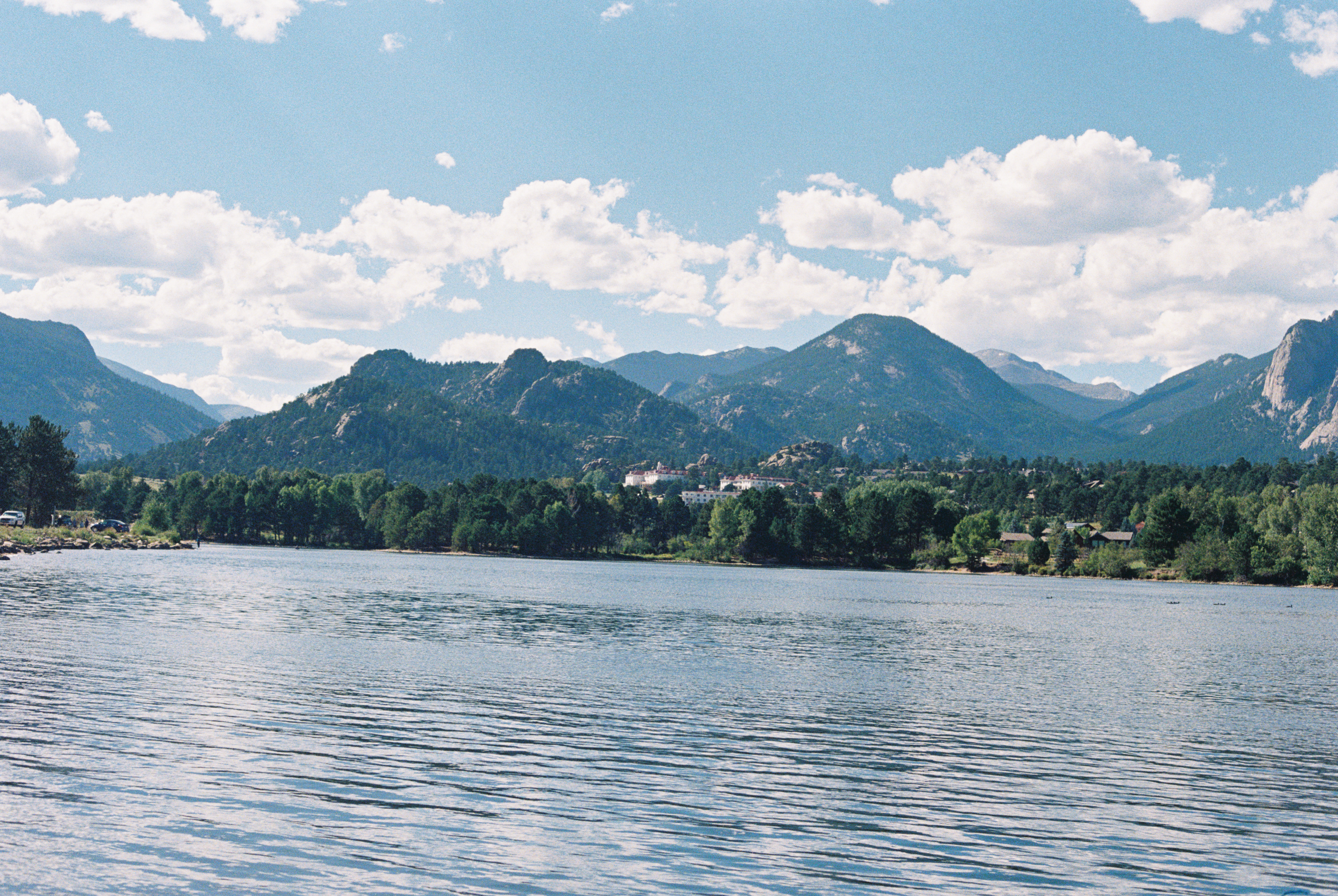
Mountains/Rocks? You probably prefer the quietness and vastness that mountains hold. Prioritize as much noise buffers and tall shrubs as possible. Really think about the views of your landscape design and how the planting will look in elevation and not just in plan. Also consider adding different levels to your space, like a raised patio or a sloped garden with terraces. Also, large boulders are such a cool decor aspect to a landscape; they add such a steady focal point within a sea of foliage or empty desert landscape.
Open grass? If you prefer to spend your outdoors time in as open of a space as possible, such as at a local park sitting on some grass, consider designing as much open space in your property as possible. Some ideas could be gravel, pebbles, or grass for ground cover; if choosing grass, make sure you are aware of the maintenance you need to uphold to keep it short.
Foliage? Create your own dream garden wonderland! Rather than prioritizing open space or hardscape, create as much planted space as possible. Just be aware of the amount of plants your planting to not be overwhelmed with the work needed to care for them. Add one or two shrubs to every perennial if ever in doubt.
Fire? This one is easy: fire is going to literally be your hearth of the outdoor space! Whether you have a fire pit or an outdoor fireplace, you should have all your other spaces branch off of it. And get some incredible seating to go around it as well!
3. Rank the top 3-5 things/activities that you will do in your future outdoor space.
Now that we are aware of the theme of our personal outdoor space as well as the natural element(s) we should focus on, let’s learn more about the specific spaces/activities you should dedicate space to and how much space you should dedicate to each.
If you need a little help, I’ve got some ideas to get you started:
Exercise? Consider an open hardscaped space for any activity, such as yoga, pilates, cardio, etc. About 12 feet / 4 meters in width and depth is usually a good minimum. Also consider blocking views around this dedicated platform to your neighbors or even to other parts of your yard if you want some privacy while you do those squats!
Swim? Then my friend, a pool is your answer. Although quite a large investment, they add phenomenal value to a home, are great for exercise and your joints, and are fun for parties and gatherings. The shimmer and reflections of the water also add a great visual aspect to a yard as well. Make your pool the visual focal point from the communal windows within your home so you can admire it from inside too!
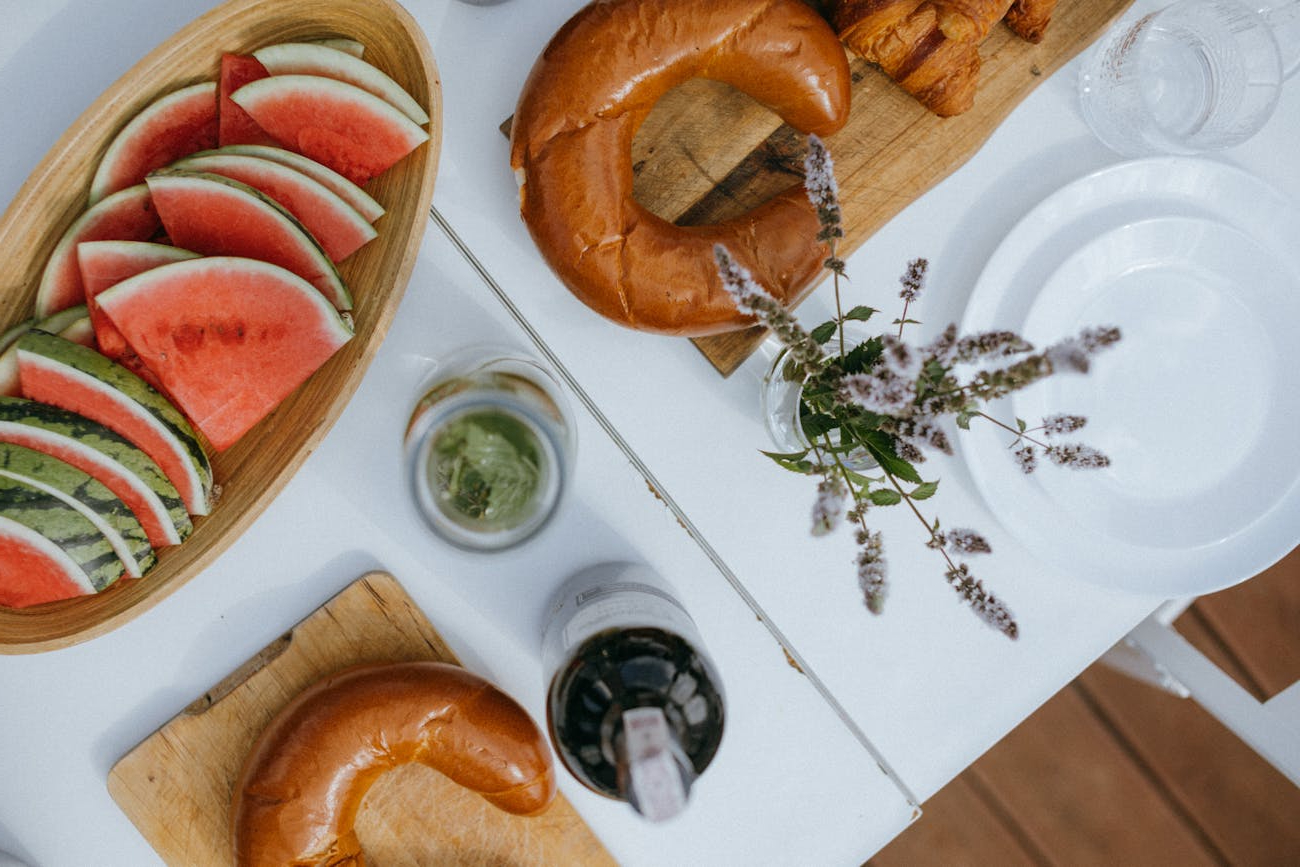
Gather with family and friends? Provide more seating and gathering spaces than you think you need! Consider one couched/seating area with a fire pit, one dining area, and a kitchenette space – all next to each other and in close proximity. I always like to add a smaller private seating area somewhat isolated from the main gathering area for private conversations. A large fire pit area further away from this main space can also be a great idea if you have more space to play with.
Eat/Cook? Really hone in on your dining area. Make this the center of your space that everything branches off of. Provide enough space for a large dining table as close to the kitchen as possible. Research kitchenettes and how they can be designed to be a great backdrop to a patio space, matching the aesthetics of the house. Maybe even considering covering it with a small pergola or shade structure. Consider even adding a second seating/table area in another location of your yard, maybe within a garden, if the space allows.
Garden? Consider more soft cover and planting bed than hardscape. Do as minimal of poured concrete or more permanent hardscape construction so you have the flexibility to grow your garden and soft cover as needed. Just use pavers or stepping stones as hardscape! Also, consider adding some space around each group of plants for squatting and working around within them. Even consider a dedicated herb and vegetable garden space, fenced in or raised in a platform to keep those animals away! You can start small and keep growing, so make sure your herb/veggie garden starts off in a location that has room to grow.
4. What is your biggest pain-point with your current outdoor space?
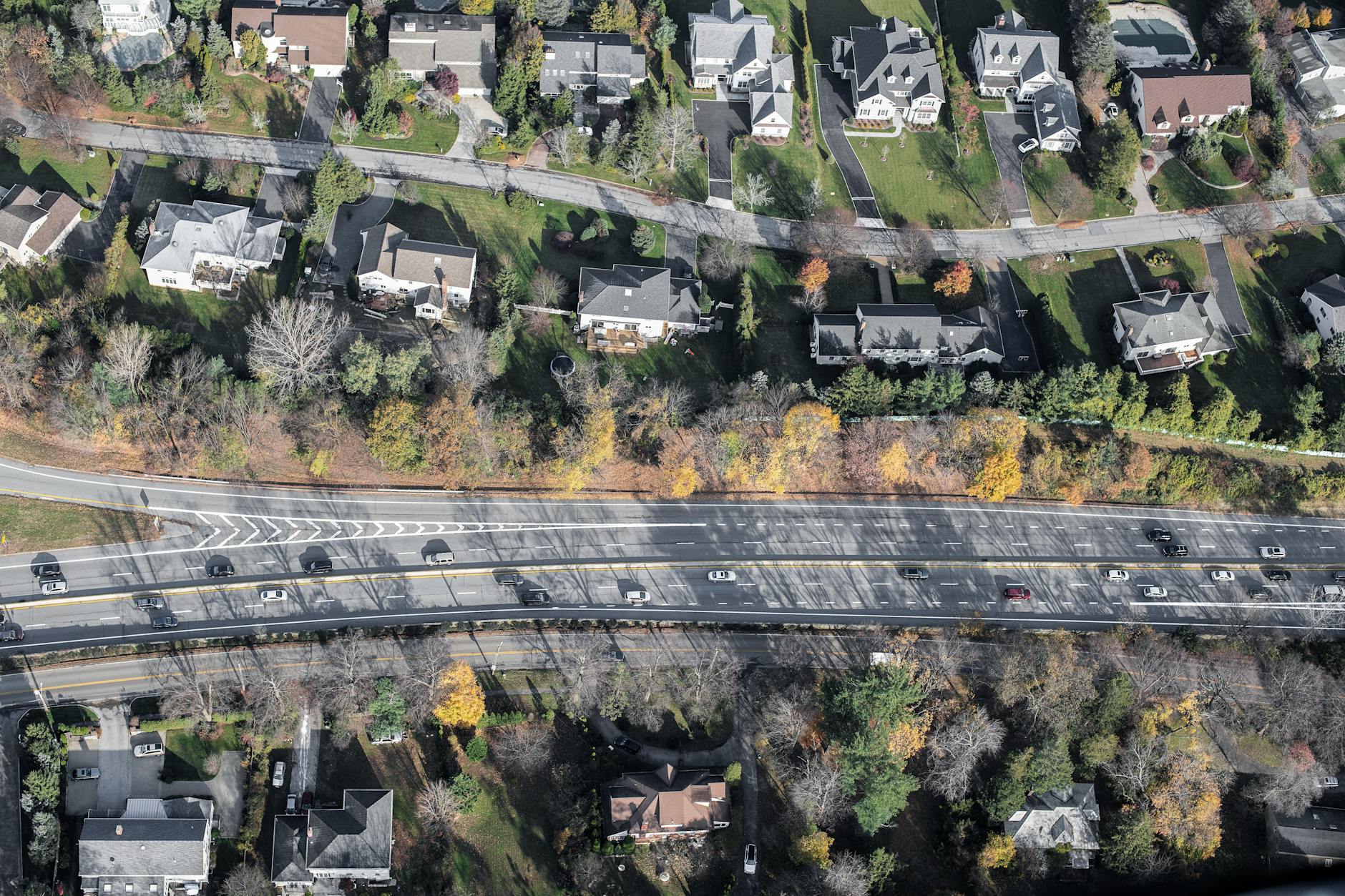
Now that we’ve established the elements that excite us about our outdoor space, let’s dive more site specific to your own space and what about its current state needs to be fixed. Think about what things annoy you the most about being within it or looking at it. If you can’t think of anything, great! Below are some common pain-points.
Do you need more privacy? Many people, especially in new suburban locations or in closely built urban areas, have a lot of visibility into their neighbors property. If so, there are lots of ways to add more privacy, such as tall landscaping around the perimeter or trees. If you buy them young, then consider you may have to wait a while before they grow to mature age and actually provide the privacy you need. Consider fast growing tall shrubs or buying the trees more matured. Also consider a tall fence around your yard with maybe some vines on the walls, but always check with your neighborhood rules first. Planter boxes are also a super easy way to add some height to a plant!
Is it too noisy? Although we cannot control the noise of those around us, we can shield from them as much as possible. Tall shrubs do a great job; the closer you plant them together, the better. Water features and fountains are also a phenomenal way to add white noise to a space that not only drowns out other noise but provides a calming and beautiful white noise to yours.
Is it too large to manage? If you’re already overwhelmed with the size of your outdoor space on the design aspect, I guarantee you will be happy in choosing more low-maintenance options down the road. Consider dedicating a lot of space to wild-growing areas with beautiful ornamental grasses or shrubs that can grow freely and still look stunning together. Consider the minimum amount of grass space you truly need and will use and don’t give yourself any more; it will just be more of a hassle to mow. Dedicate the rest of the unused open space (like sides or front of a home) to gravel/DG ground covers or low-maintenance plants.
Is it too small? Be creative with your spaces and dedicate one area to multiple uses! For example, you can have outdoor chairs on a normal basis, and then bring in a folding table with a table cloth overtop whenever you want to host a dinner. Buy light and mobile furniture that you can easily move around if needed, such as opening up the space for a workout zone. Also, all you need is a few planter boxes in each corner of the space, some vines on any fencing or screening, and you’ve got a phenomenal outdoor oasis. It doesn’t take much square footage, just some thought and creativity!
5. What is your interior home style?
If you are wondering what style or look you want for your exterior design, just simply take a look around you. Your answer is right underneath your nose (or ceiling)! We can carry our current style, whether it be interiors or even fashion, into our landscape design. In fact, we should! Our current style is already a perfect precedent for what makes you happy.
Here are a few tips for some general styles:
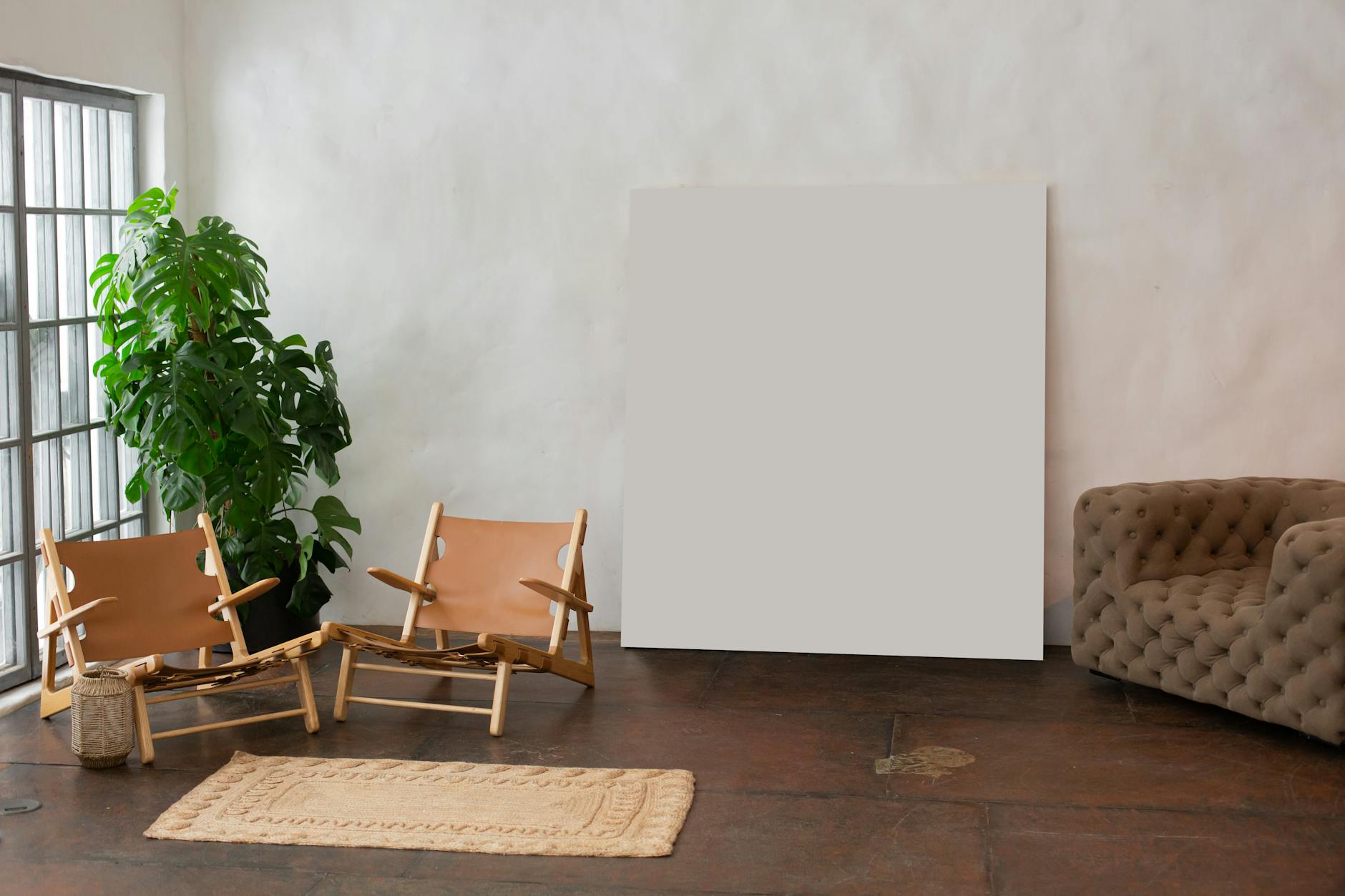
Minimal? Try having a more open spaced landscape with a few groups of plants in between. Have different species within one group of three, and keep those same three species throughout the whole site. Trust me, only having a few plants on your site will make you, as a minimalist, super happy. It creates unity, simplicity, and a consistent color palette. Also consider choosing plants with a neutral toned color and choosing more shrubs over perennials. This will provide texture and complexity without business. Research desert landscape design for inspo.
Masculine? Try more dark toned plants and more succulents. The heaviness of the succulents, such as Blue Agaves, will provide a hardiness to the space. Try more gravel, pebbles, and hardscape for ground cover than DG, dirt, or mulch.
Antique? If your home is older with a lot of antique furniture, such as French or a Colonial style, I’d consider adding vines to your structures. They really bring out the antiquity of architecture by making it seem as though those vines have been growing for years. You can plant certain species such as a Bougainvillea at a young stage and watch it grow, or you can build a trellis or hooks along a wall to attach already grown vines to.
Feminine? Explore more light perennials or flowering trees. In addition to having a section of classic, non-flowering shrubs as a backdrop to the space, add a few flowering plants and trees in front of them. But not too many, as having too many different colors and textures can make the space too chaotic without a sense of style. Find your main color and two sub colors and stick to them.
6. How much effort do you want to spend maintaining your landscape?
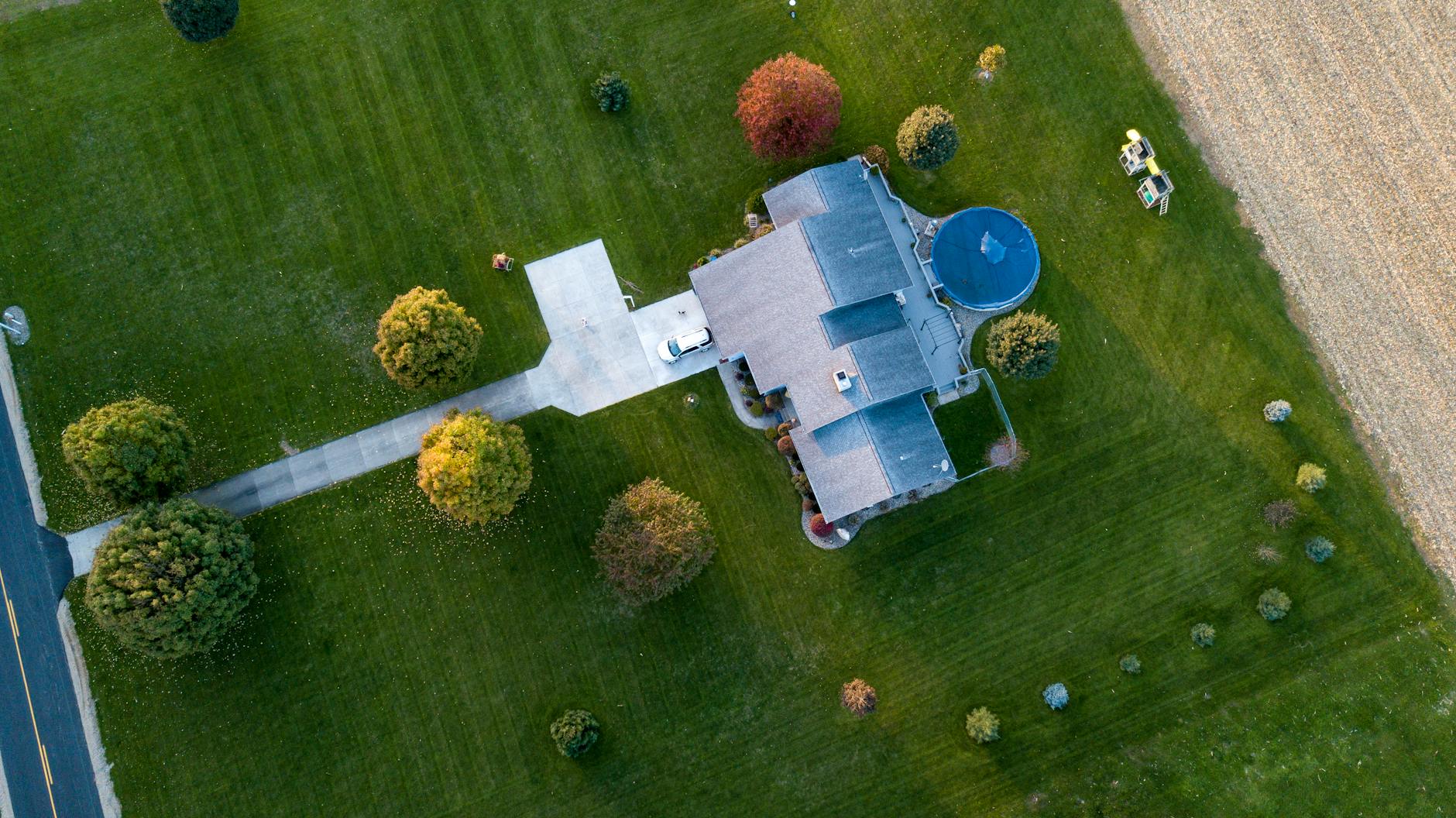
I believe this is the most important question of the group. Your landscape design will not look like it does in the pictures without daily and weekly thought, care, and work. You are the one who is going to have to live with the up keep, and it is critical to determine what level of maintenance you want to give to your landscape design before designing it. To help figure this out, I’ve written some starting questions below. And this is the question where you MUST be honest, or you will regret it!
If you want to put a LOT of effort into it, then the sky is the limit! Plants such as perennials, annuals, and other deciduous plants are going to be the most vibrant, colorful, and unique of them all, since they will blossom during some parts of the year with their beautiful flowers. However, even though you have the time to take care of hundreds of plants, your landscape will not look good with that many. Consider selecting a group of perennials or annuals to grow; this will create a color palette and theme for your plants that will create a sense of unity and place in your limitless garden. I still recommend perennials over annuals, as these guys will grow back next year and give you one less thing to worry about. But, feel free to swap out as many perennaisl for annuals as your heart desires!
If you want a nice landscape with medium/minimal effort, stick to grasses, succulents or evergreen shrubs/trees. Do not buy perennials or annuals, as you will regret having to deal with the maintenance they require down the road. If you only use evergreen plants, you can still have a beautiful space while having zero leaves to pick up in the fall and dealing with annual or biannual pruning. Lastly, do NOT have a lawn to mow; you can easily obtain an open space, if that’s something you want, just using DG, pebbles or gravel as your ground cover.
If you want to have a nice landscape and outdoor space but aren’t that passionate about it or have never done any landscaping before, I’d recommend dedicating a wild section. This means dedicating spaces within your landscape that you can plant some ornamental grasses or shrubs that you know you can let grow and grow and they will still look beautiful at their wildest state (maybe with a little bit of pruning). This lets you focus your other plants within a smaller space and it becomes less overwhelming. Regarding plant selection, I’d select more shrubs than perennials, while still keeping both. This will again slightly reduce your workload needed to care for perennials. If you want a lawn, I would reconsider how much lawn space you are willing to mow every week. When in doubt, start with less and add smaller annuals surrounding your lawn during the first few years in case you want to expand more. Lastly, consider fruit-bearing shrubs and trees and how much they will fall onto your ground. If you’re ok with the look of berries on the ground surrounding your tree or harvesting/picking them up every year, then get those fruit trees! But you can easily get the same effect of a non-fruit-bearing tree if that’s something you don’t wish to take on.
And, done!
Now that you’ve reflected on your outdoor interests, favorite natural elements, required spaces, pain-points to fix, style, and maintenance needs, you’re ready to start the design of your outdoor space.
For next steps, I highly recommend taking what you’ve gathered here and applying it to your specific site conditions.
Great landscape design cannot happen without getting to know the site conditions: the soil, shady areas, wind, sunlight, temperatures, climate, etc. This is where hiring a landscape designer to help decide where certain spaces, plants, and elements should go could be a good idea.
I hope these reflections helped you not just design your outdoor space, but get to know yourself in a deeper way. Maybe you realized through this exercise that you’ve been needing to spend more time hiking, hanging with friends at the park, swimming in water, or just outside in general. The more we know ourselves, the better we can design our surroundings to bring out the best version of ourselves. And how lucky we are to be able to create beautiful nature spaces that do just that right in our own homes!
 Ali Harwood Design